Bhutan
One brand, every sector: Bhutan’s happiness for export
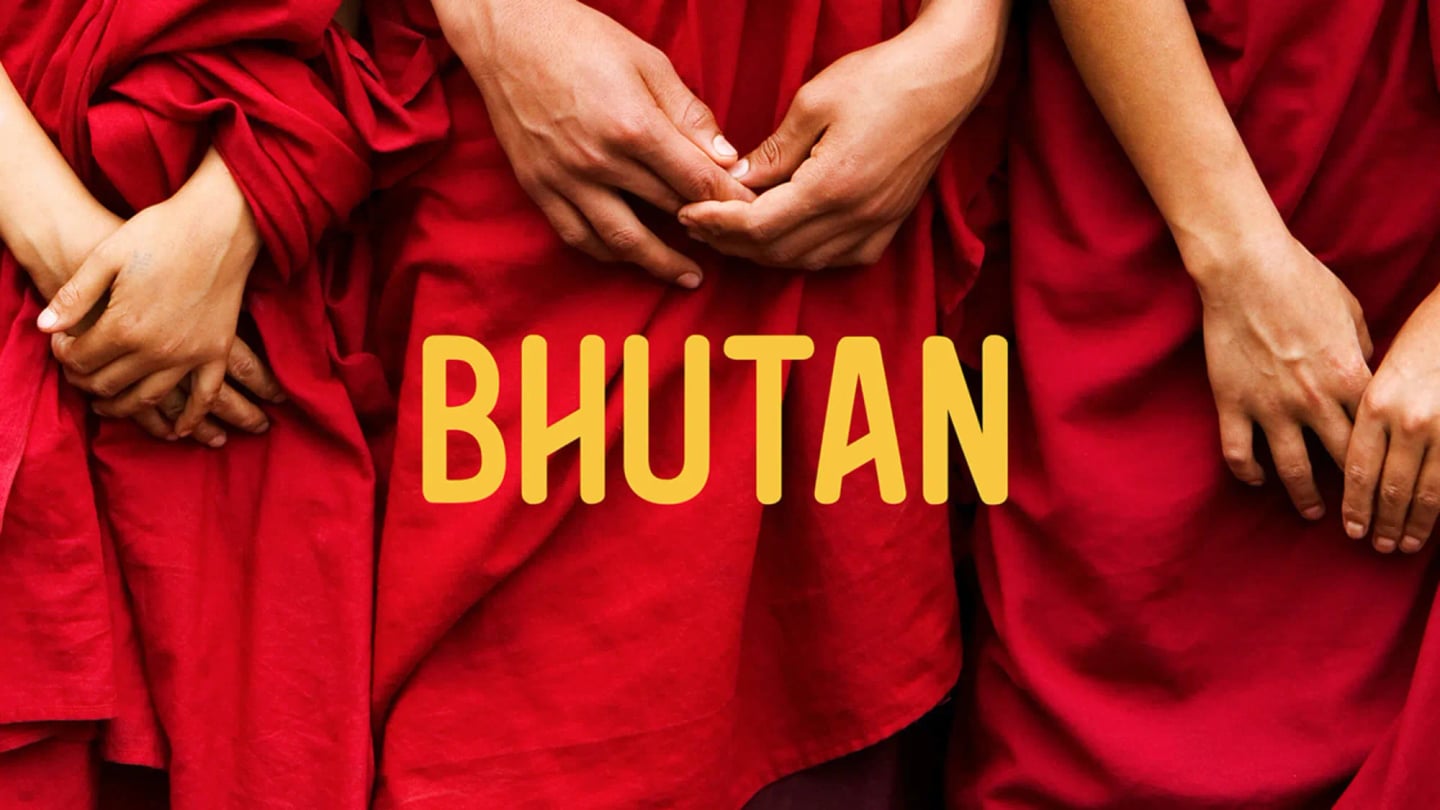
Bhutan had a story worth telling. The world just hadn’t heard it. Beautiful, culturally rich and fiercely true to its values, the country was not widely known as a tourist destination, nor as an expert producer in any one sector. For a small economy looking to grow through exports, that was a problem. In an increasingly competitive global market, goods made in Bhutan needed a reason to command a premium.
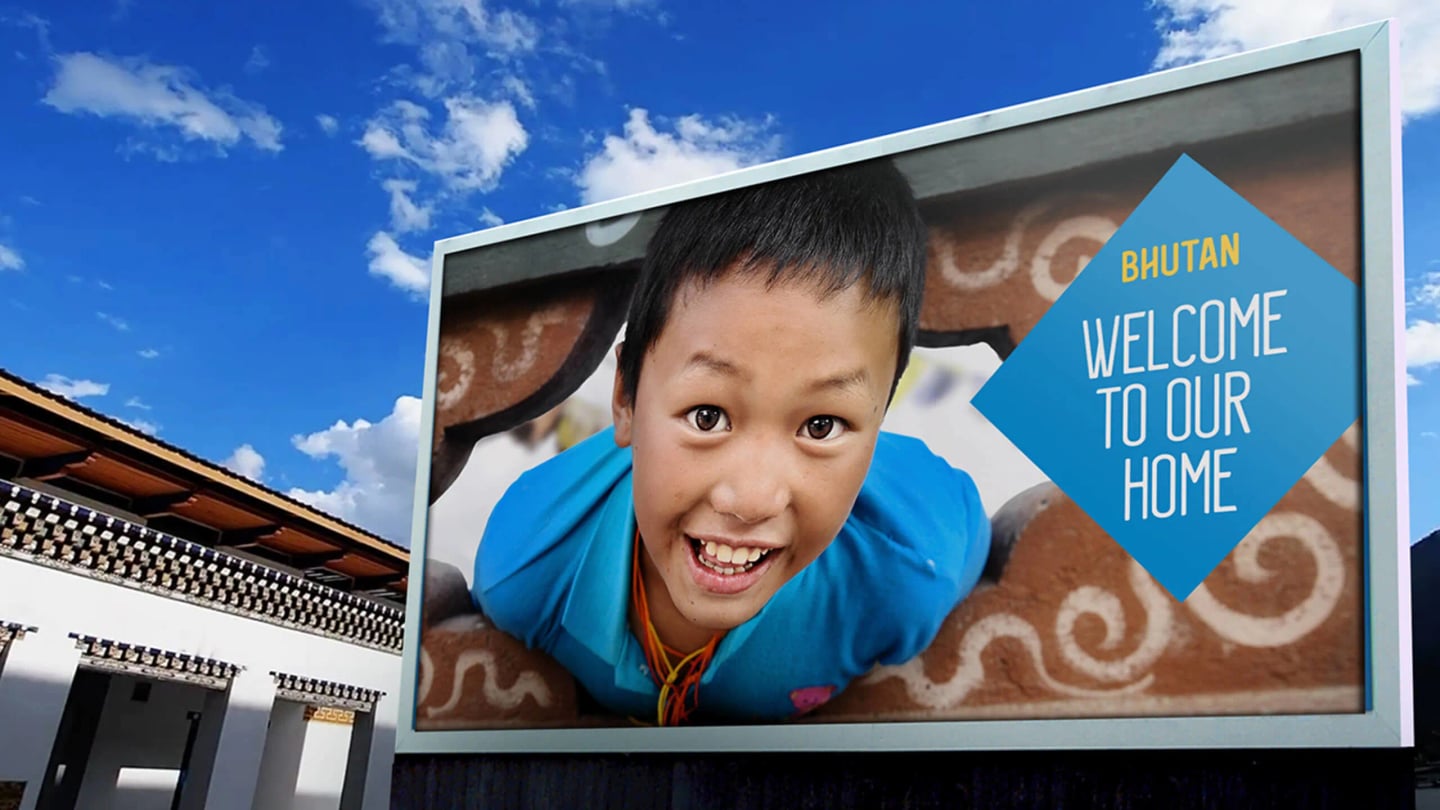
The Bhutan Department of Trade and the United Nations Development Programme (UNDP) asked us to build the strategy and identity for “Made in Bhutan”. We started in the country itself. Immersed in its culture, we saw how completely everything crafted there draws on its pristine nature, timeless traditions and enduring values.
Underneath it all sat a conviction Bhutan has held for generations: a nation should be measured by the wellbeing of its people. The Gross National Happiness Index is a small country’s simple idea with global reach, and we made it the heart of the brand. Choosing something made in Bhutan means choosing that commitment to sustainable development and to protecting culture and environment.
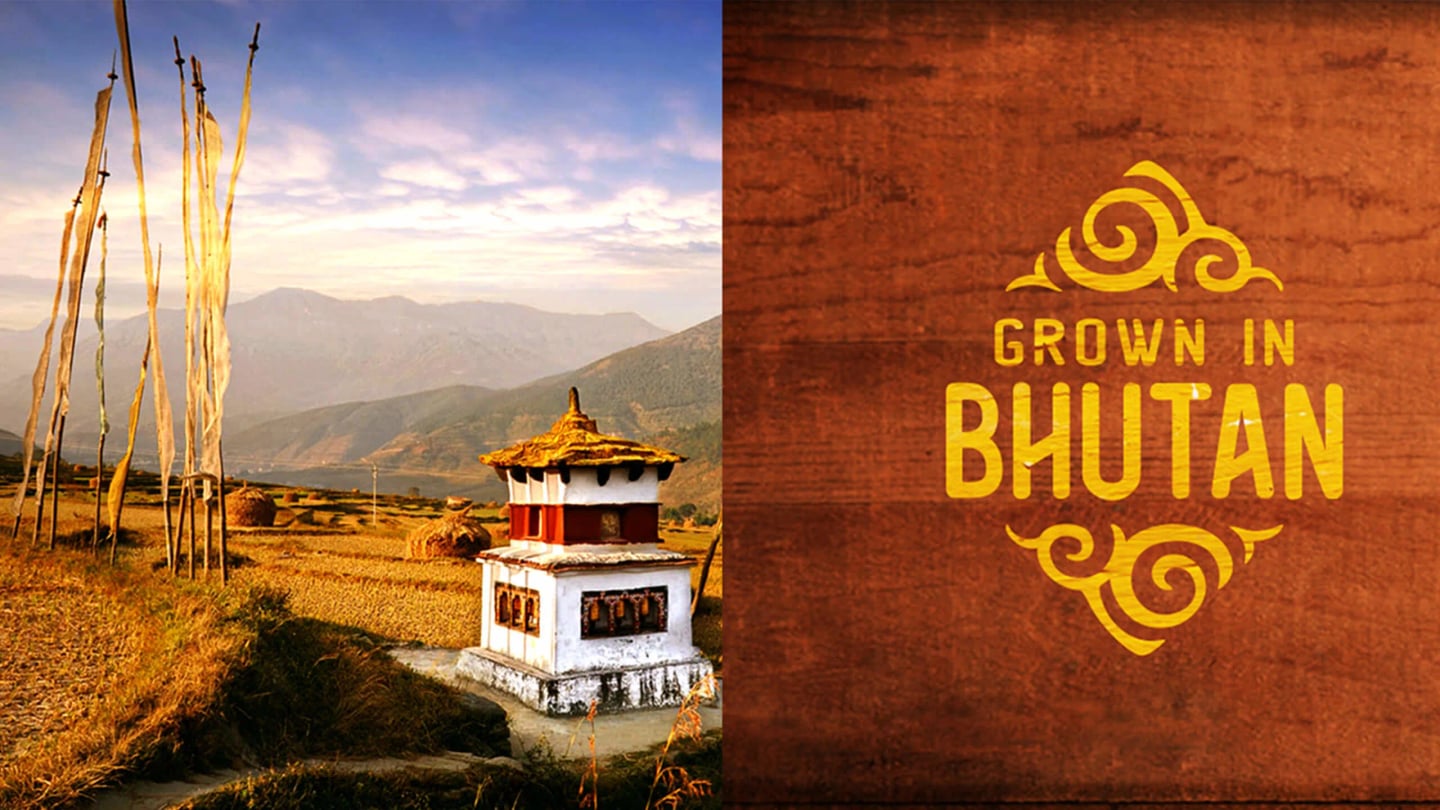
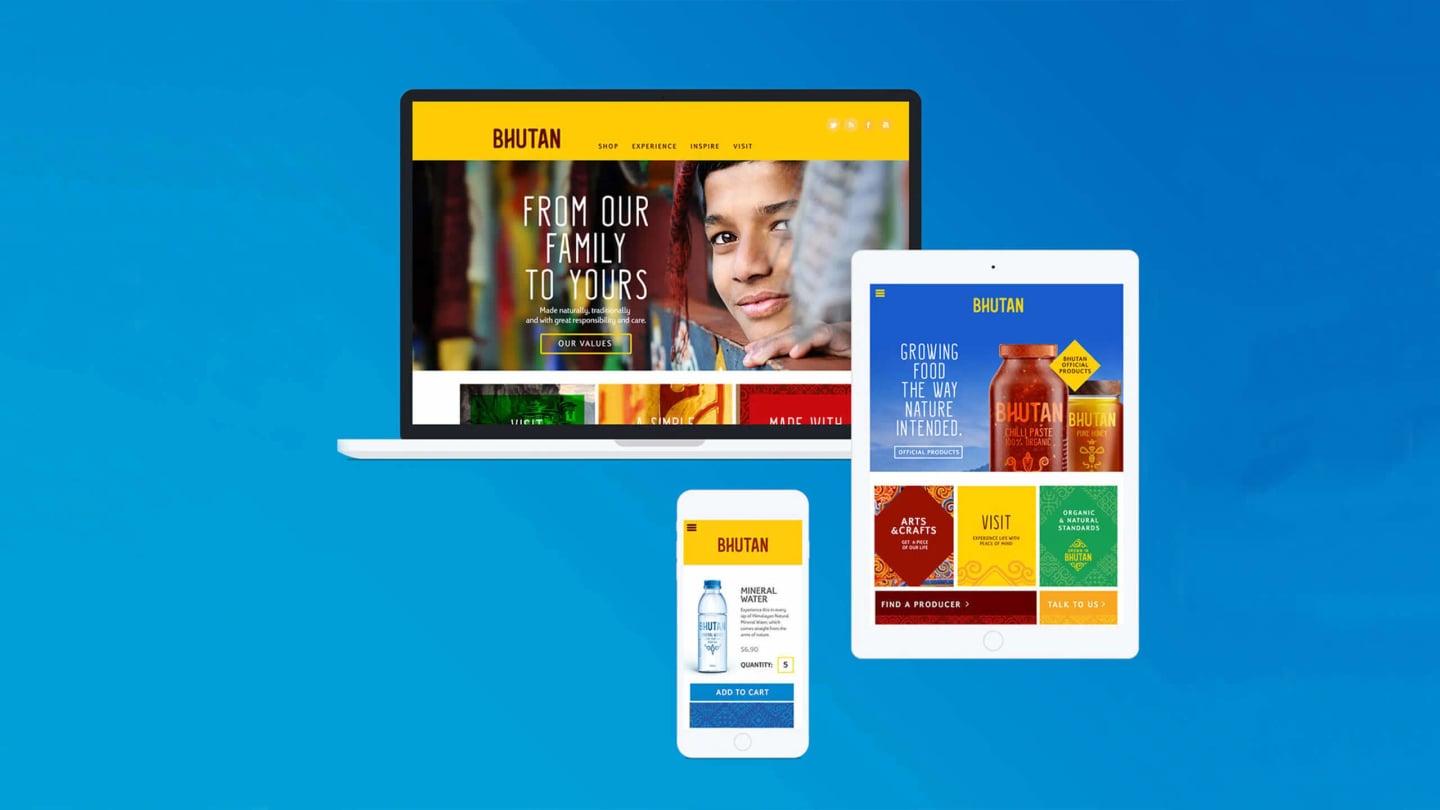
We designed one unified country brand rather than a patchwork of sector labels. It takes its cues from the vivid colours of prayer flags and the spiritual patterns of Bhutan’s handmade work. And it stretches across any industry Bhutan grows into, with handicrafts and organic farming leading its long-term plans.
For the first time, Bhutan has one brand built to carry its exports into the world and add a premium to everything that bears it. The government sees it as far more than a mark. The Economic Affairs Ministry describes it as a powerful intangible asset, one that can help exporters move up the value chain, attract investment and talent, and safeguard the national identity.
Bhutan didn’t need a famous industry to compete. It needed the world to know what it stands for, and every export can now say it.
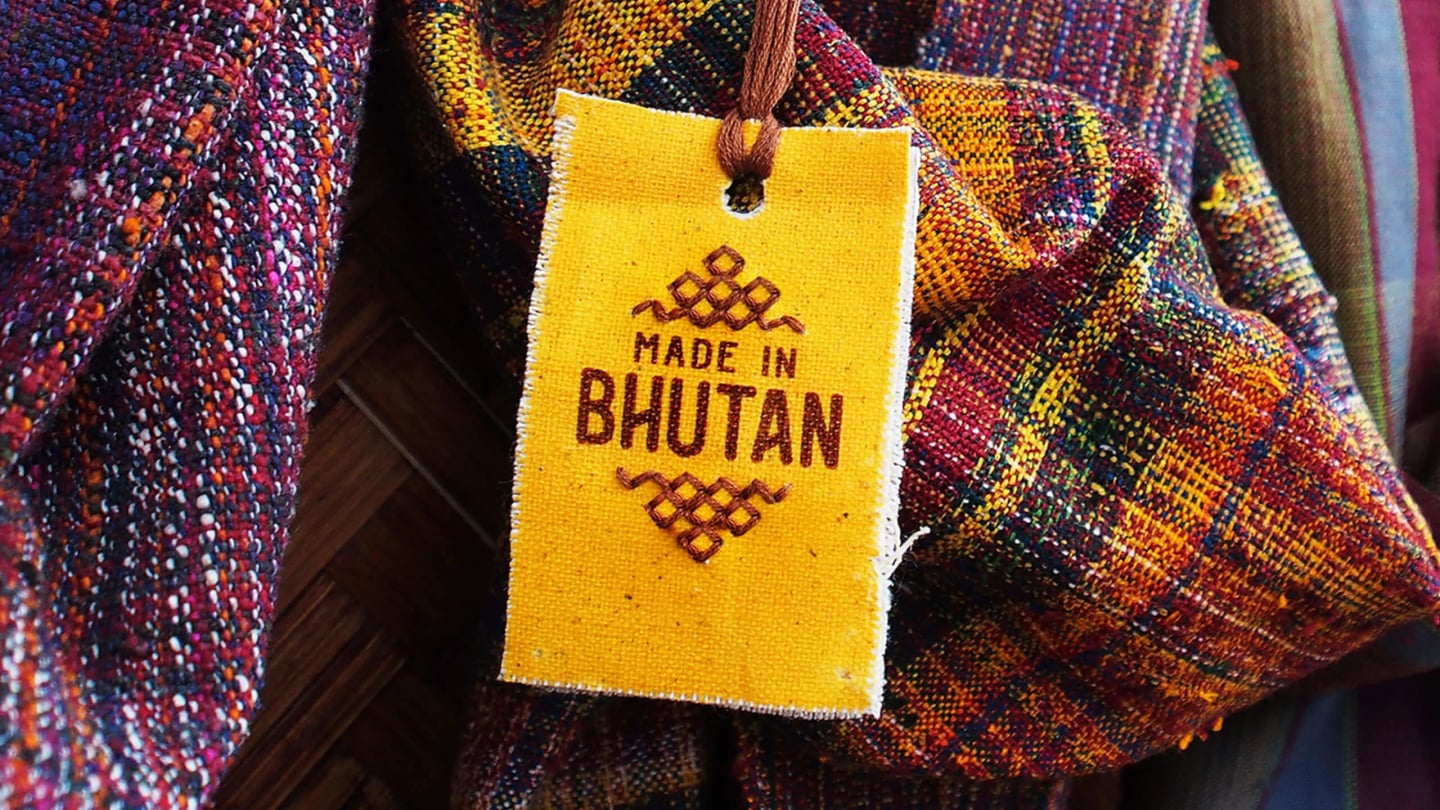
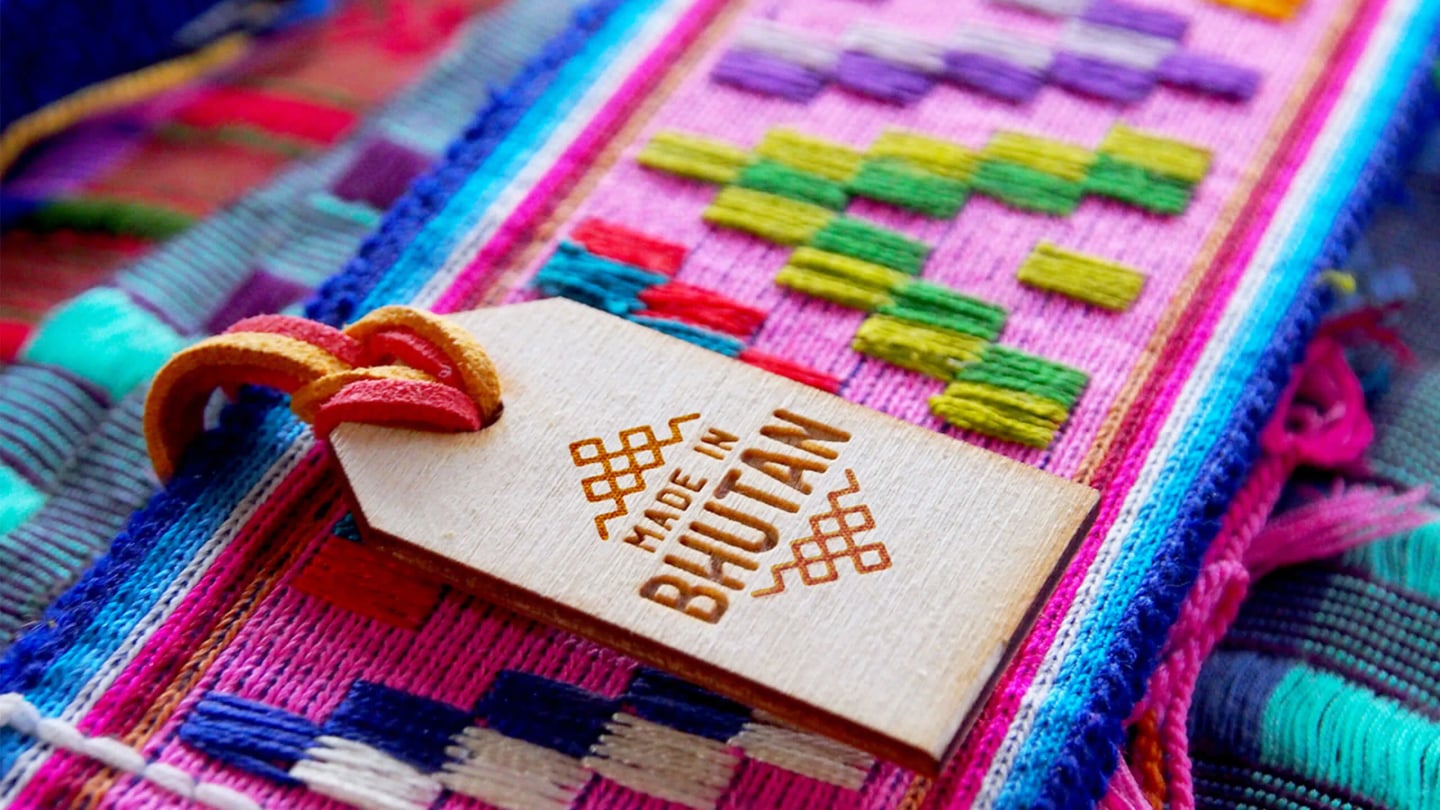
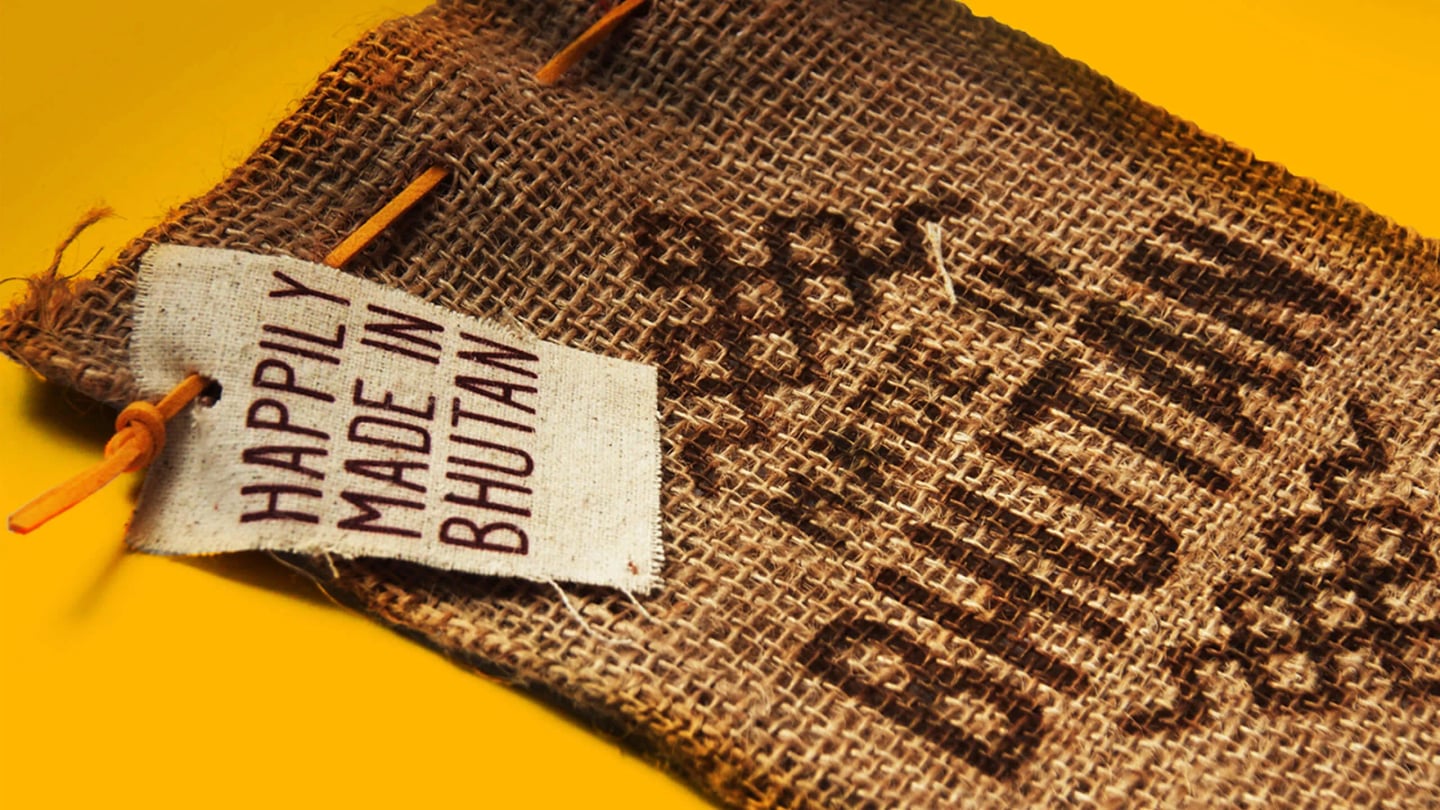
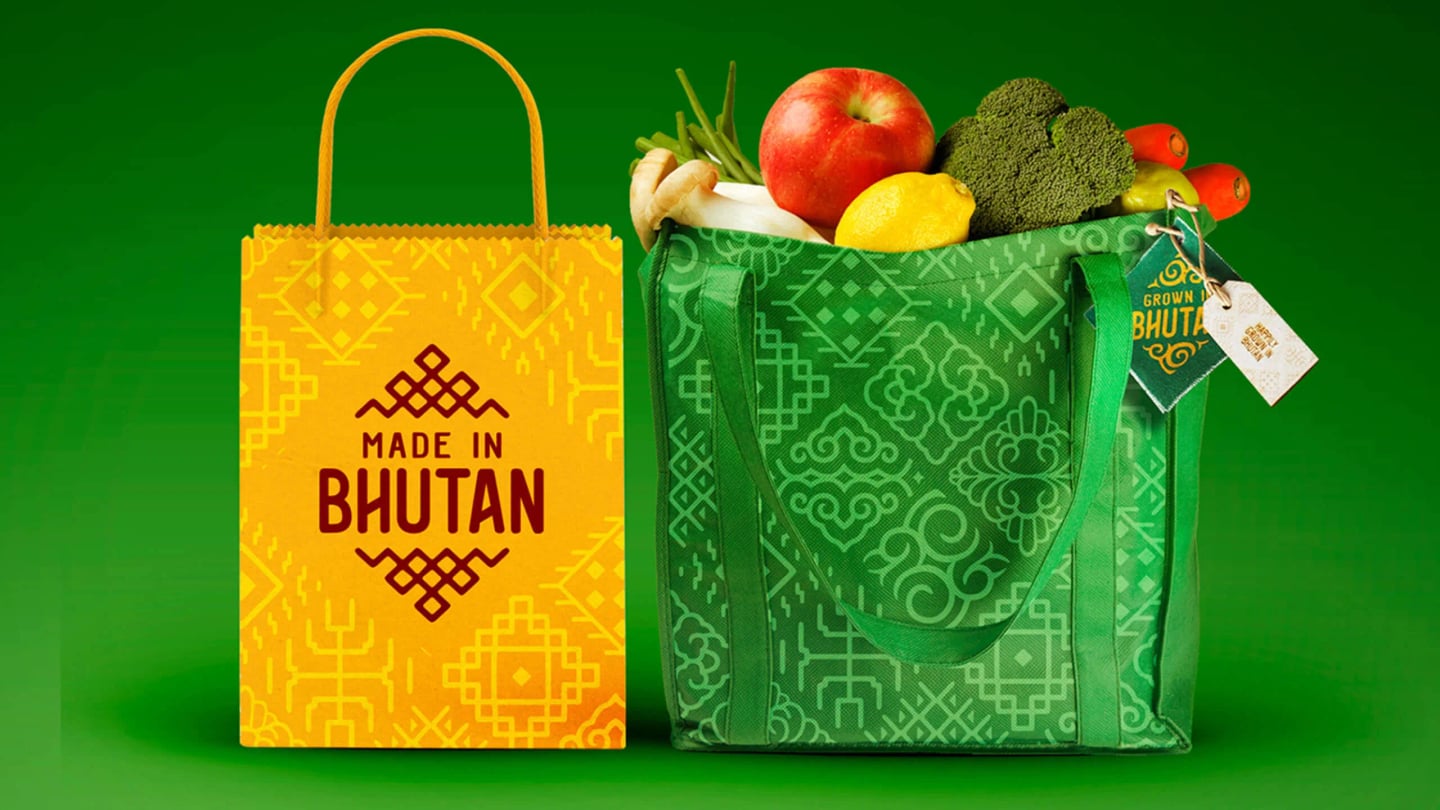
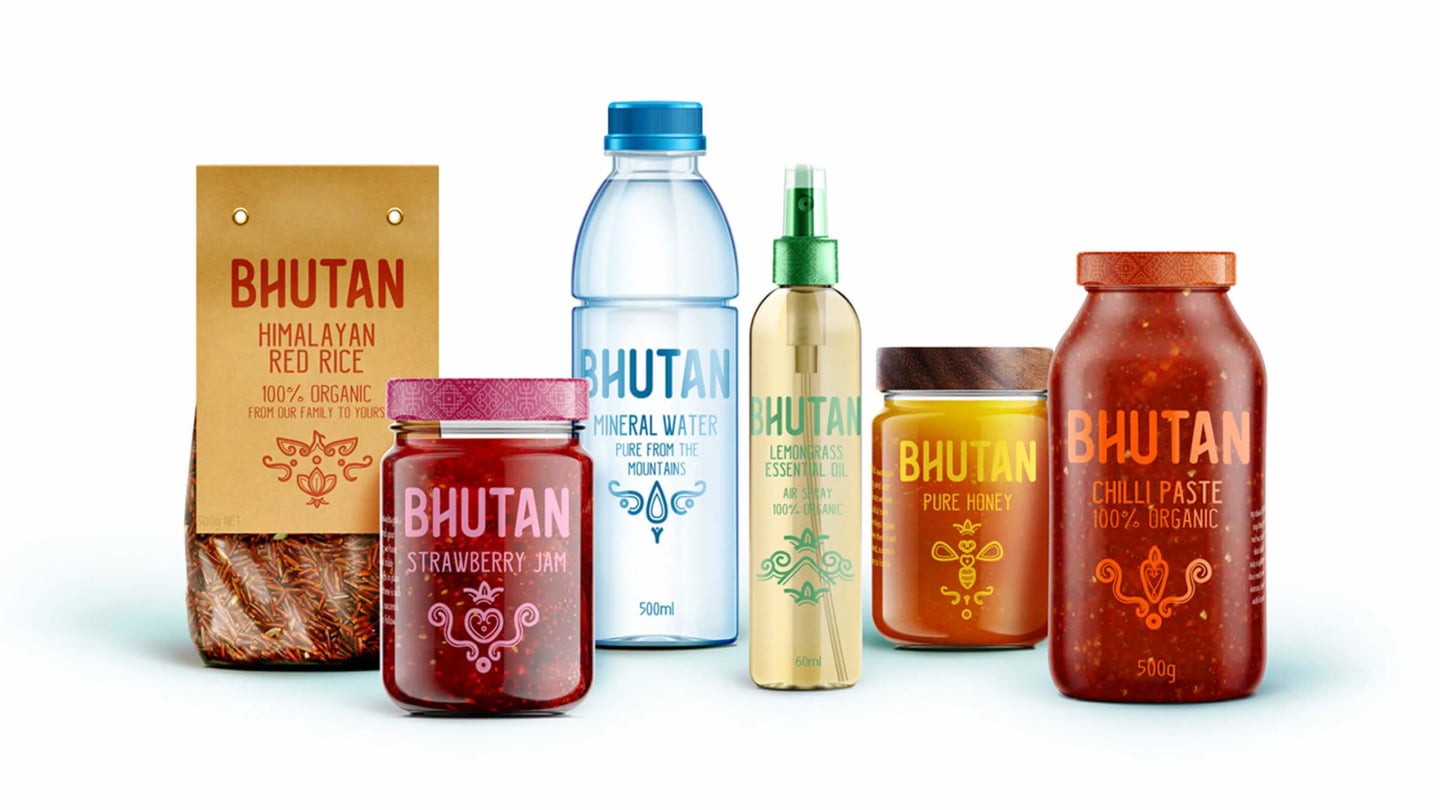
Our unified country brand can be leveraged across all sectors for moving up the value chain. It is a powerful intangible asset… a magnet for inward investment and talent, a driver of worthwhile cultural exchange, a potent competitive advantage to exporters, an inspiration to people of the country, and safeguard to the national identity.
Sonam Wangdi /Joint Secretary /Economic Affairs Ministry
Sonam Wangdi
Joint Secretary
Economic Affairs Ministry